Nano Banana Lite: Text to Image
A single-node text-to-image workflow that generates images from a written prompt using Google's Nano Banana Lite model (served via fal.ai). You write a prompt, pick an aspect ratio, and hit run — a built-in system prompt automatically enriches simple descriptions with composition
API
Fast Generation
Image
Text to Image
155
_1783406884076.png?width=1400&height=620&quality=80&resize=contain)
_1783406884076.png?width=1400&height=620&quality=80&resize=contain)
_1783406884076.png?width=1400&height=620&quality=80&resize=contain)
_1783406884076.png?width=104&height=104&quality=80&resize=cover)
_1783406884076.png?width=104&height=104&quality=80&resize=cover)
_1783406884076.png?width=104&height=104&quality=80&resize=cover)
Nodes & Models
NanoBananaLiteTextToImage_floyo
FloyoStickyNote
SaveImage
HOW IT WORKS
Step 1. Write your prompt
Describe the subject, setting, mood, and style. Simple prompts get automatically expanded into a detailed scene by the built-in system prompt; detailed prompts are followed closely as written.
Works great with: scene descriptions · characters · concept art · stylized/illustrative portraits
Step 2. Pick your aspect ratio
Choose the shape that fits your output — 16:9 for widescreen, 1:1 for square, 9:16 for vertical, and so on.
Step 3. Set your generation options
Choose how many images to generate at once, lock or randomize the seed, and set output format.
Step 4. Hit run and download
Nano Banana Lite generates your image directly from the prompt in seconds.
Ready for: Photoshop · Figma · Canva · any editor
First time? Leave every setting as-is. The defaults (16:9 · seed randomized · PNG · thinking level off) are the right starting point for almost everyone.
RECOMMENDED SETTINGS
Quick-start guide. Find the goal that matches yours and copy the settings.
Standard run (most people) — Start here — 16:9 · seed randomized · PNG · thinking level off. The right starting point for almost everyone.
Reproduce a result you liked — Lock the seed to the number that produced it, instead of leaving it on randomize.
Need multiple options fast — Raise
num_imagesto generate several variations from one prompt in a single run.Prompt feels ignored or over-interpreted — Turn
thinking_levelon for more deliberate interpretation of complex prompts; leave it off for speed on simple ones.Content getting filtered unexpectedly — Adjust
safety_toleranceandenable_safety_checkerto match how permissive you need the output to be.
Prompt: Describe the subject, environment, lighting, and style directly — simple prompts are automatically enriched with composition and atmosphere detail by the system prompt, so you don't need to over-write it yourself.
USE CASES
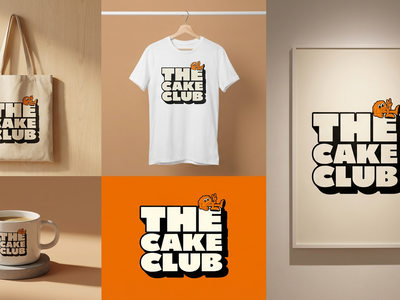
🖼️ Stylized Character & Group Art Generate whimsical, illustrative, or clay-like character scenes from a text description alone, no reference image needed.
🎨 Rapid Ideation Produce several prompt variations quickly to explore different visual directions before committing to one.
📐 Any Aspect Ratio Generate directly in the ratio you need for social, print, or web without cropping afterward.
✍️ Text-in-Image Prompt for legible on-image text and have it rendered clearly as part of the scene.
WHAT WORKS BEST / WHAT TO AVOID
✅ Works great
Clear, descriptive prompts with subject + setting + style
Letting the system prompt auto-enhance simple ideas
Locking a seed once you find a result worth iterating on
Stylized, illustrative, or character-driven compositions
⚠️ May produce softer results
Overly vague one-word prompts with high expectations for detail
Very cluttered multi-subject scenes in one prompt
Conflicting style instructions in the same prompt
Leaving safety tolerance too strict for the intended content
NEW TO COMFYUI?
Start with the free ComfyUI for Beginners Course on Floyo. Sixteen short videos take you from zero to running your own AI workflows. No setup headaches, no jargon, clear hands-on lessons. Watch the course, then run any workflow here in your browser.
👉 Watch the free ComfyUI for Beginners Course →
FAQ
What is Nano Banana Lite? It's Google's fast image-generation model, served here through fal.ai. This workflow wraps it in a single text-to-image node with a built-in system prompt that improves composition, lighting, and detail automatically.
How is this different from the Nano Banana 2 Lite workflow? Same node layout and settings, but this one calls the original Nano Banana Lite model instead of the newer "2" version — the rest of the pipeline (prompt in, image out) is identical.
Does this workflow support image input or ControlNet? No — this graph is text-to-image only. There's no LoadImage node or ControlNet model in the pipeline, so structure (pose, edges, depth) isn't carried over from a reference image.
How do I get more consistent results across a batch? Lock the seed and keep the prompt identical, then only vary the parts you want to change (subject, style keyword, etc.).
Can I use the results commercially? Check Google/fal.ai's current terms for Nano Banana Lite outputs, since commercial usage rights depend on the model provider's licensing, not on Floyo itself.
Ready to try it? Write a prompt, set your aspect ratio, and hit run.
Questions? Watch the free course or check the FAQ above.
Read more