Happy Horse 1.0 for Video Color Grading Multitone
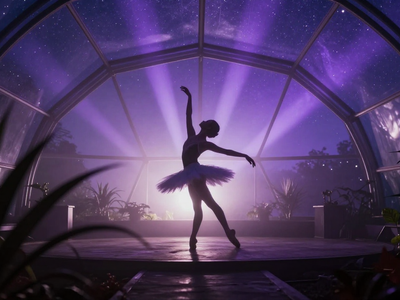
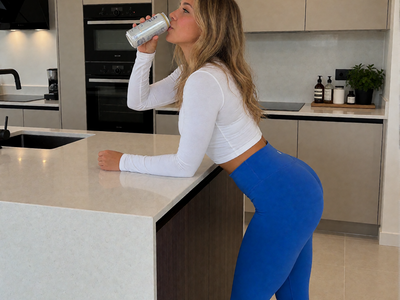
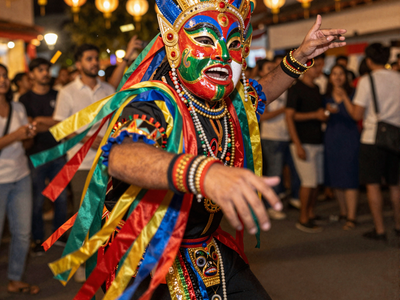
Apply duotone, tritone, or reference-based color grading to any video using Happy Horse 1.0, Alibaba’s top-ranked video editing model. Upload a clip, pick your colors, and hit run.
Color Grading
Video
Video Edit
Video to Video
106

Nodes & Models
LoadImage
LoadVideo
PreviewImage
CreateVideo
SaveVideo
WanResolutionPicker
CompositorColorPicker
LayerUtility: ColorImage V2
MarkdownNote
VideoToFrames
ABOUT THE WORKFLOW
Color Grade a Video
Upload a video and choose a grading method: pick colors with on-canvas color pickers, or upload a reference image and let the palette get extracted automatically. The model recolors every frame to match, preserving motion, composition, and audio.
Partner node. This workflow calls an external API, so each run uses credits from your API wallet. No API key needed. Floyo handles the connection.
Model
Happy Horse 1.0 by Alibaba Token Hub (ATH). A video editing model ranked #1 on the Artificial Analysis video arena at launch. Strong at style transfer, color grading, and reference-guided edits.
HOW IT WORKS
Step 1. Upload your video
The clip you want to color grade. MP4 or MOV, up to 60 seconds, up to 100 MB.
Works great with: short films · ads · social clips · music videos
Step 2. Choose a grading method
The workflow has three active methods on the canvas. Reference image: upload a photo and the dominant colors get extracted for you. Duotone: pick a shadow color and a highlight color. Tritone: pick shadow, midtone, and highlight colors separately.
Step 3. Set your colors
For reference image mode, upload a photo with clear, flat colors. For color picker modes, use the on-canvas pickers to choose each tonal zone.
Step 4. Hit run and download
Happy Horse 1.0 recolors every frame to match your palette. The graded clip saves with audio intact.
Ready for: Premiere Pro · DaVinci Resolve · After Effects · Final Cut Pro
First time? Start with the duotone method and leave every setting as-is. The defaults (720P · random seed · audio auto) are the right starting point for almost everyone.
RECOMMENDED SETTINGS
Input Video
Required — the clip to color grade
Formats: MP4 or MOV (H.264 recommended)
Maximum duration: 60 seconds
Maximum file size: 100 MB
Longer side ≤ 2160px, shorter side ≥ 320px
Frame rate must be > 8 fps
Clips under 30 seconds turn around faster
Clips over 45 seconds take longer to generate
Well-lit footage with a wide tonal range grades best
Grading Method
Duotone (default) — shadow and highlight colors
Tritone — separate shadow, midtone, and highlight colors
Quadtone — shadows, dark midtones, light midtones, and highlights (off by default, must be enabled on canvas)
Reference image — extracts a palette from an uploaded photo
Color Pickers (Duotone / Tritone / Quadtone)
On-canvas pickers for each tonal zone
Use saturated picks with clear value contrast between zones
Nearly identical color values across zones produce softer, less distinct results
No default color values are listed — you choose the palette
Reference Image (Reference Mode Only)
Optional — used only in reference grading mode
A photo with clear, flat, even colors works best
The dominant palette is extracted automatically
Avoid busy, mixed-palette reference images
Up to 5 reference images supported by the API
Prompt
Pre-filled for each grading method
Only grading style words should be changed (e.g. “warm shadows”, “cool highlights”)
Minimum 1 character
Describes the desired color grade — not the scene content
Resolution, Seed, Audio & Watermark
Resolution
Options:
720P,1080PDefault:
720P1080P costs more per run
Seed
Range: 0 to 2,147,483,647
Default: Random (0)
Set a specific seed for reproducible results across runs
Audio
Options:
auto,originDefault:
autoauto— model decides how to handle audioorigin— preserves the original audio from the input video
Watermark
Default adds an invisible “Happy Horse” watermark in the bottom-right corner
Can be toggled off depending on the API provider
Not exposed on the Floyo workflow page
Common Error-Causing Mistakes to Avoid
No video uploaded → run fails
Video longer than 60 seconds → rejected
Video file over 100 MB → rejected
Video frame rate ≤ 8 fps → rejected
Shorter side below 320px → rejected
Extremely dark or overexposed footage → poor grading results
Nearly identical color picks across tonal zones → produces a flat, barely graded result
Busy, mixed-palette reference image → model can’t extract a clean palette
Editing the prompt beyond grading style words → may produce unintended edits beyond color
Expecting LUT or intensity sliders → not available; control comes from color picks and prompt only
Recommended Safe Defaults for Reliable Runs
Video: well-lit footage with a wide tonal range, under 30 seconds for faster turnaround
Grading method: start with Duotone (default)
Color picks: saturated colors with clear contrast between zones
Prompt: keep the pre-filled text; adjust only the grading style words
Resolution: 720P for drafts, 1080P for final delivery
Seed: leave random unless you need reproducibility
Audio: Auto (keeps original audio)
First time: leave every setting as-is
LEARN
📹 Videos
ComfyUI 101 Free Course ft. Sebastian Kamph
Floyo 101 for Team Collaboration
✨ Quick links
USE CASES
🎬 Filmmakers & Editors
Apply a consistent color grade across a scene without round-tripping to DaVinci Resolve. Upload the clip, pick your tones, and get a graded version back in minutes.
📱 Social Media & Content Creators
Give short-form video a branded look by grading to your palette. Works well for reels, TikToks, and campaign clips that need a consistent color identity.
🎨 Motion Designers & VFX Artists
Match footage to a mood board or concept art palette using the reference image method. Drop in a swatch image and the model maps it across the full tonal range.
🛍️ Brands & Agencies
Grade product videos and campaign footage to brand colors without a colorist. Pick your exact brand tones in the color pickers and apply them to any clip.
WHAT WORKS BEST / WHAT TO AVOID
✅ Works great
Well-lit footage with a wide tonal range
Clean, saturated color picks with contrast between zones
Reference images with flat, distinct colors
Short clips under 30 seconds for fast turnaround
⚠️ May produce softer results
Extremely dark or overexposed footage
Two color picks that are nearly identical in value
Busy reference images with mixed palettes
Clips longer than 45 seconds (longer generation times)
FAQ
What is Happy Horse 1.0 and who made it?
Happy Horse 1.0 is a video editing model made by Alibaba Token Hub (ATH), the Taotian Future Life Lab. It was revealed in April 2026 and ranked #1 on the Artificial Analysis video arena at launch. It takes a video, up to five reference images, and a text prompt, then applies the described edit across every frame. It outputs 720p or 1080p video with audio.
What is duotone color grading and how is it different from tritone?
Duotone maps two colors across the tonal range of your video: one for shadows and one for highlights. Tritone adds a third color for the midtones, giving you finer control over the transition between dark and bright areas. This workflow lets you switch between both on the canvas. Start with duotone. Move to tritone when you need more separation in the midrange.
Can I use a reference photo to color grade my video?
Yes. The reference image method uploads a photo, extracts its dominant colors automatically, and applies that palette to your video. Use a photo with clear, even colors for the best results. The extraction step runs through a separate model before Happy Horse applies the grade.
Does Happy Horse 1.0 preserve audio and motion?
Yes. The model changes only the color palette. Motion, composition, subject detail, and audio pass through unchanged. The graded clip saves with its original audio track.
What resolution should I use for color grading with Happy Horse 1.0?
720P is the default and works well for previews, social media, and most web delivery. Switch to 1080P for broadcast, client delivery, or any output where softness at lower resolution would show. 1080P costs more per run.
Is Happy Horse 1.0 open source or API only?
Happy Horse 1.0 is API only. No open weights have been released. Each run goes through an external API and costs credits from your API wallet. No API key setup is needed.
How to run Happy Horse 1.0 color grading online?
You can run Happy Horse 1.0 color grading online through Floyo. No installation, no setup, no API key to wire up. Open the workflow in your browser, upload your video, pick your colors, and hit run. Free to try.
WHY FLOYO?
Floyo is the only platform with team collaboration for ComfyUI in the browser. You run workflows with no install. You share run history, assets, and models across your team. You pay only when you generate. Floyo supports open-source and closed-source models.
A colorist runs a grade and likes the result. A teammate opens that exact run from shared history and keeps going. No file handoffs. No version confusion.
For studios and enterprise teams, Floyo adds private workspaces, pooled resources, and a team usage dashboard. Other ComfyUI cloud tools run for one person at a time. Floyo runs for the whole team, with transparent per-generation costs.
Ready to try it?
Upload a video, pick your colors, and run it. The prompts are already set for each grading method.
Questions? Watch the free course or check the FAQ above.
Read more