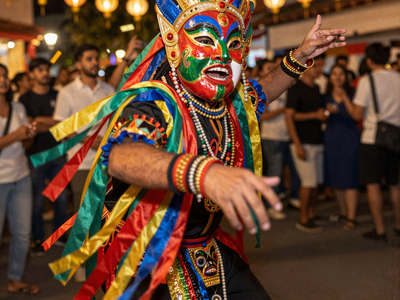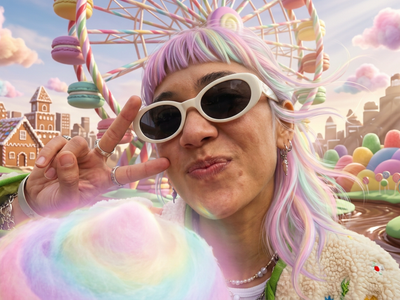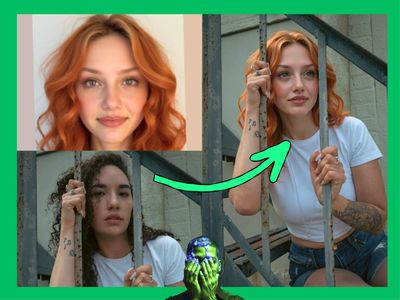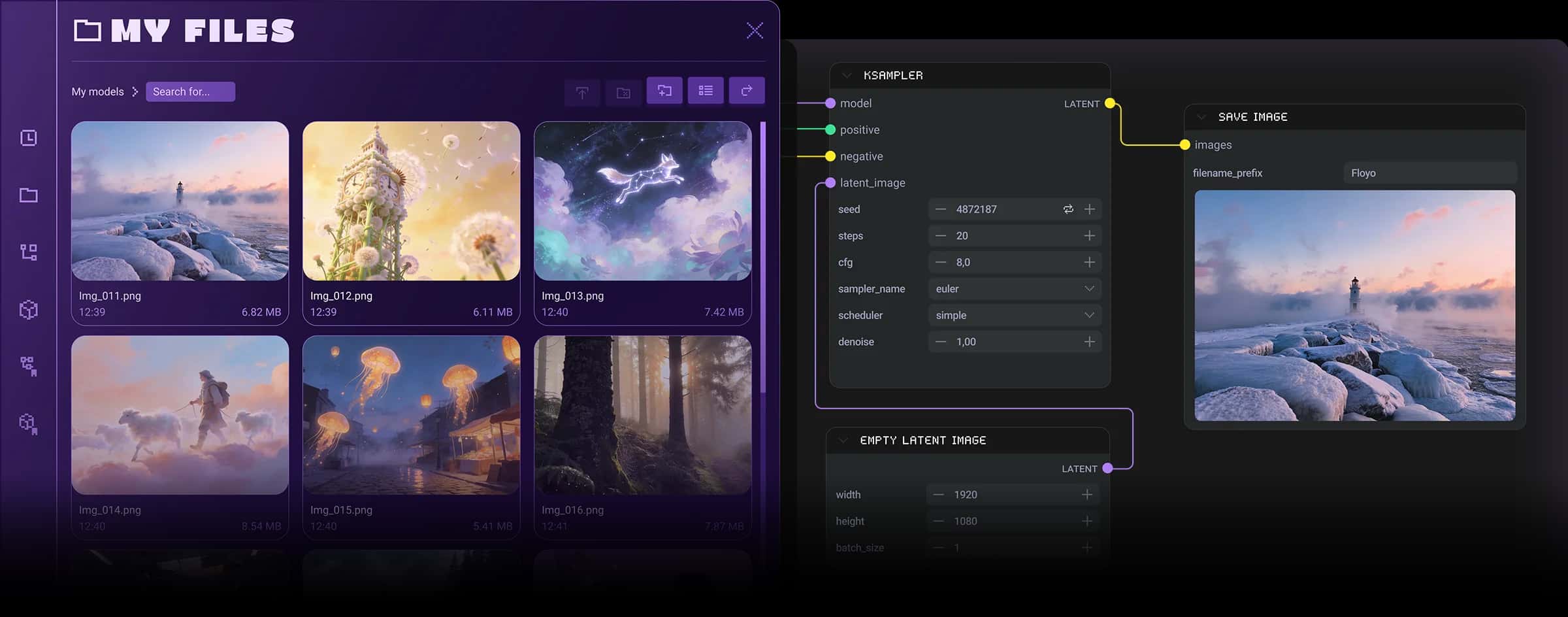
This tool is a custom node for ComfyUI designed to enhance AI-generated images by mimicking the optical and chemical characteristics of real photography. By utilizing an RGB image alongside a depth map, it applies advanced post-processing techniques to create more realistic visuals.
- Utilizes depth maps to simulate complex optical effects like depth of field, lens distortion, and light scattering.
- Offers a variety of adjustable parameters that allow users to fine-tune the output, achieving a more authentic photographic look.
- Integrates seamlessly with other ComfyUI nodes, enhancing the overall workflow for generating high-quality images.
Context
This custom node, known as ComfyUI-Optical-Realism, serves to bridge the gap between AI-generated images and traditional photography by applying post-processing effects that replicate physical camera behavior. Its purpose is to reduce the "Uncanny Valley" effect often seen in AI art, making the outputs feel more natural and visually appealing.
Key Features & Benefits
The node features a range of practical capabilities, including the ability to adjust lens distortion, color temperature, and depth of field. These features are essential for creating images that not only look realistic but also convey a sense of depth and atmosphere, significantly enhancing the viewer's experience.
Advanced Functionalities
ComfyUI-Optical-Realism includes specialized settings such as light wrap strength, halation effects, and film grain emulation, which emulate real-world optical phenomena. These advanced functionalities allow for a high level of customization, enabling users to achieve specific artistic effects that would be difficult to replicate with standard image processing tools.
Practical Benefits
By incorporating this node into their workflows, users can improve control over the visual output, enhance image quality, and streamline the process of creating realistic images in ComfyUI. The node's ability to simulate various photographic effects not only saves time but also elevates the overall standard of AI-generated art.
Credits/Acknowledgments
The tool was developed by the original author and contributors, with ongoing updates and suggestions for default values to enhance usability. The project is open-source and available under a license that encourages collaboration and improvement within the community.