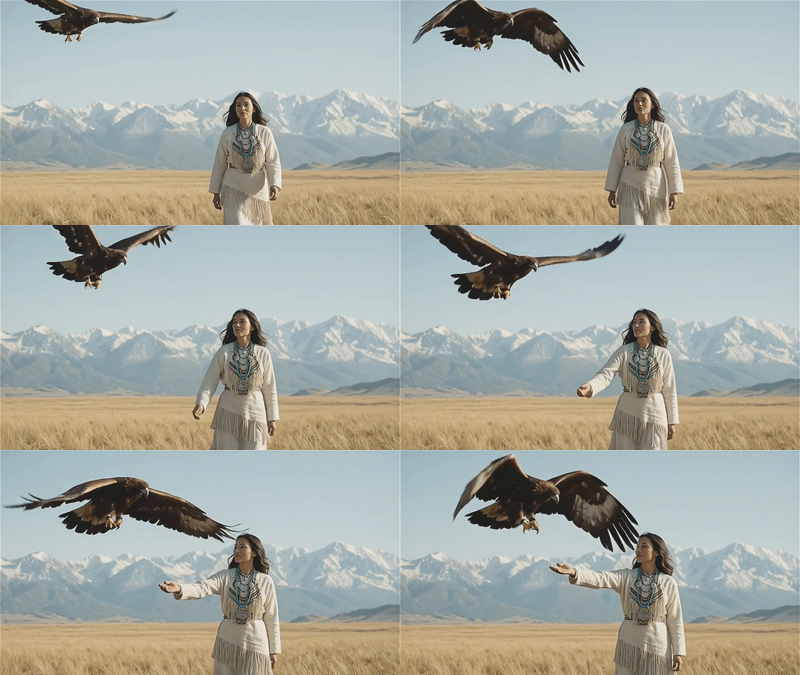
Qwen Image 3 · Generate, Edit and Merge
Generate or edit images with Qwen Image 3, Alibaba's unified model built for dense text, infographics, and long prompts. Upload references or start from text.
alibaba
image editing
multi-image
qwen image 3
0
66
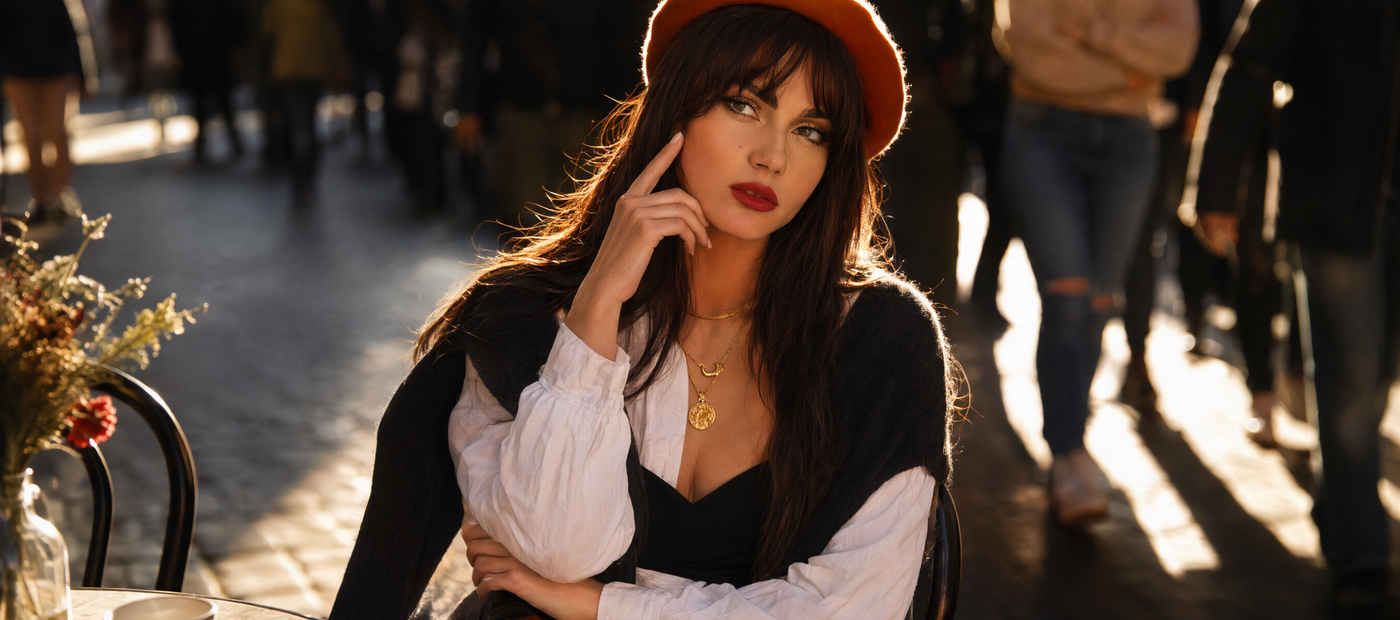
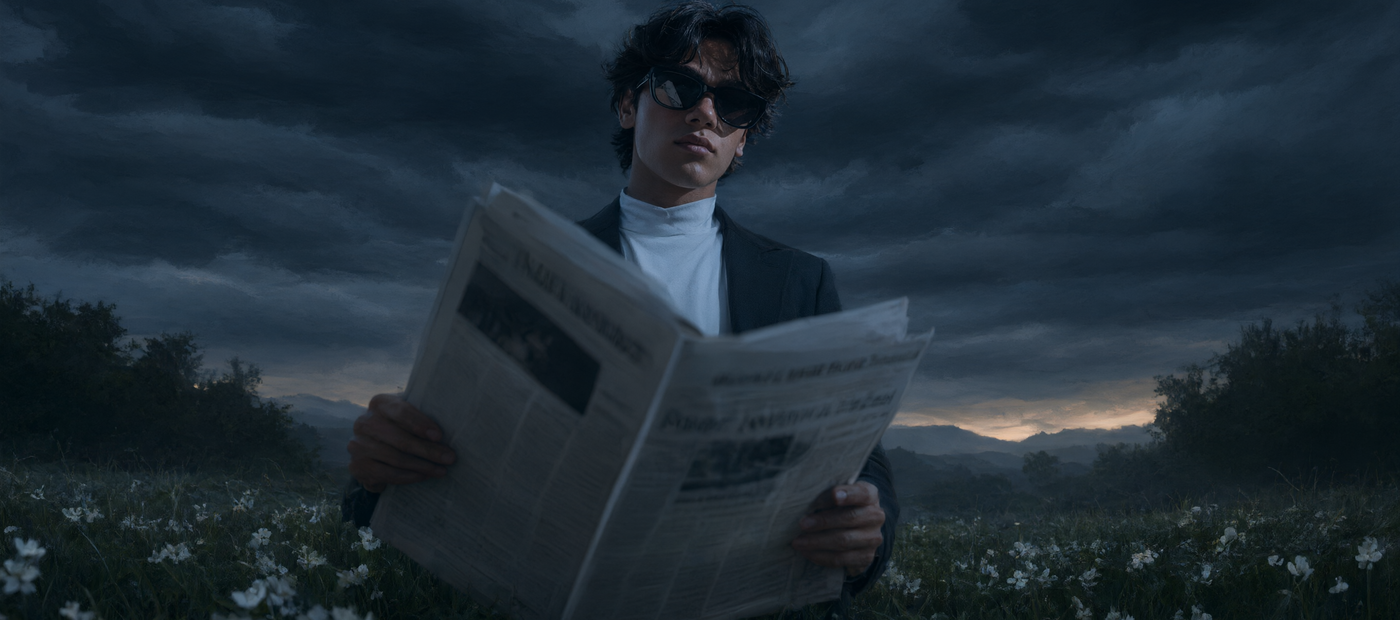

Nodes & Models
QwenImage3Unified_floyo
LoadImage
SaveImage
ABOUT THE WORKFLOW
Generate or Edit an Image Write a prompt on its own to build a picture from nothing. Add one or two reference images to edit, restyle, or merge them. Qwen Image 3 handles generation, editing, style transfer, and multi-image merging in a single endpoint. Built for dense text rendering, infographic layouts, and long instructions.
Partner node. This workflow calls an external API, so each run uses credits from your API wallet. No API key needed. Floyo handles the connection.
Model
Qwen Image 3 by the Qwen team at Alibaba. Released 21 July 2026. The third generation of the Qwen Image family. A unified model that takes prompts up to 4,500 tokens and renders legible text in 12 languages and 20 or more fonts, down to 10 pixels. No parameter count, benchmarks, or technical report published at launch. Closed model with no open weights.
HOW IT WORKS
Step 1. Write your prompt Describe the picture you want or the change you want made. Up to 4,500 tokens, so long, detailed instructions are welcome. Works great with: infographics · posters · product shots · UI mockups
Step 2. Add a reference image (optional) Connect an image to edit it, restyle it, or use it as the starting point. The model reads it alongside your prompt.
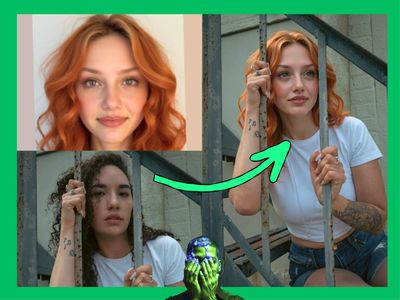
Step 3. Add a second reference (optional) For merges or multi-image edits, like placing a subject from one picture into the scene of another. A third slot exists on the node but is not wired.
Step 4. Hit run and download The result is saved under ComfyUI and shown in a preview. Ready for: Photoshop · Figma · Canva · any editor
First time? Leave every setting as-is. The defaults (default size · prompt extend on · watermark off · random seed) are the right starting point for almost everyone.
RECOMMENDED SETTINGS
Quick-start guide. Find the goal that matches yours and copy the settings.
Standard run (most people) — default size · prompt extend on · watermark off · random seed. The right starting point for almost everyone.
Want a specific size — Set image size to custom. Width and height only take effect when you do. The default lets the model choose.
Your wording is already exact — Turn prompt extend off. Left on, the model rewrites your prompt for richer detail, which helps loose descriptions and works against carefully worded ones.
Editing rather than generating — Connect your picture to the first image slot. The prompt then reads as an instruction about that picture.
Merging two pictures — Connect a second picture and say in the prompt what each one contributes, so the model knows which supplies the subject.
Want text in the image — Spell out the exact words, the font, the size, and the position. This is where Qwen Image 3 is strongest. It renders legible text in 12 languages down to 10 pixels.
Building a dense layout — Use the full prompt length. Describe every panel, heading, and data point. The model handles multi-panel infographics and newspaper-style pages in a single pass.
Repeat a result you liked — Set a fixed seed number instead of leaving it on random. The same prompt, references, and seed give you the same image back.
Prompt: Be specific and structured. "A nine-panel infographic about tunnel safety, each panel has a title in bold 14px, a diagram, and a caption in 10px, blue and white colour scheme, clean grid layout" gives you more than "tunnel safety infographic." The model follows long instructions closely, so use the 4,500-token budget to describe the layout, the text, and the placement.
LEARN
📹 Videos
ComfyUI 101 Free Course ft. Sebastian Kamph
Floyo 101 for Team Collaboration
✨ Quick links
USE CASES
📊 Infographics and Data Layouts Generate multi-panel infographics, dashboards, and data cards with legible headings and captions in a single pass.
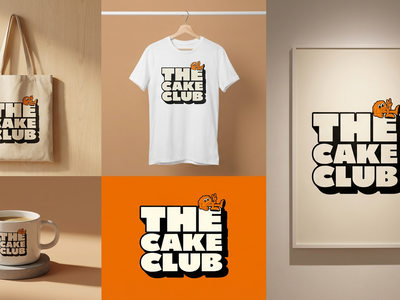
🪧 Posters and Signage With Text Render readable text in 12 languages directly in the image, for headlines, labels, and body copy that most models garble.
🖼️ Image Editing and Style Transfer Upload a picture and describe the change. The model handles relighting, restyling, and compositing with reference images.
📰 Document and UI Mockups Generate newspaper pages, exam sheets, web page mockups, and interface screenshots from a detailed text description.
WHAT WORKS BEST / WHAT TO AVOID
✅ Works great
Long, structured prompts with layout, text, and placement
Dense text rendering in multiple languages and fonts
Multi-panel infographics and information-heavy images
Editing and merging with one or two reference images
⚠️ May produce softer results
Short keyword prompts with no layout direction
Pure photorealistic portraits, where other models lead
Expecting flawless small text in every case (garbled characters still appear)
Work that needs open weights or local control
FAQ
What is Qwen Image 3? Qwen Image 3 is the third generation of Alibaba's Qwen Image family, released 21 July 2026. It is a unified model that handles text-to-image generation, image editing, style transfer, and multi-image merging in one endpoint. It accepts prompts up to 4,500 tokens and renders legible text in 12 languages and 20 or more fonts, down to about 10 pixels. No parameter count, architecture details, or technical report were published at launch.
What makes Qwen Image 3 different from other image models? Dense text rendering and long-prompt layout work. Most image models garble text or lose structure in complex layouts. Qwen Image 3 is built for information-dense output like infographics, newspaper pages, UI mockups, and multi-panel data cards, where every heading and label needs to be readable. The 4,500-token prompt length lets you describe every panel in one instruction.
Is Qwen Image 3 open source? No. Qwen Image 3 is a closed model with no published weights. Earlier versions in the family (Qwen Image 1.0 and the Qwen Image Edit series) were released under Apache 2.0 with downloadable weights. Qwen Image 3 is API only.
How does Qwen Image 3 compare to Qwen Image 2512? Qwen Image 2512 is open weight under Apache 2.0, runs locally, and is strong at photorealistic portraits and readable bilingual text. Qwen Image 3 is closed and API-only, with a longer prompt window (4,500 vs roughly 1,000 tokens), support for 12 languages, and a design focus on dense layouts and infographics rather than single-subject photorealism. Pick 2512 for open weights and local control, and 3 for information-heavy images and longer instructions.
Can Qwen Image 3 edit images? Yes. Connect a picture to the first image slot and write the change as an instruction. The model reads the image alongside the prompt and returns the edited version. Add a second image for merges or multi-reference edits.
Does Qwen Image 3 connect to the internet? Yes. The model can pull live data for generation, so a prompt asking for a weather forecast for a specific city and date returns an accurate graphic rather than a guess. This is a vendor claim with limited independent testing so far.
How to run Qwen Image 3 online? You can run Qwen Image 3 online through Floyo. No installation, no setup, no API key to wire up. Open the workflow in your browser, write a prompt, add an image if you are editing, and hit run. Free to try.
WHY FLOYO?
Floyo is the only platform with team collaboration for ComfyUI in the browser. You run workflows with no install. You share run history, assets, and models across your team. You pay only when you generate. Floyo supports open-source and closed-source models.
A designer runs an edit and likes the result. A teammate opens that exact run from shared history and keeps going. No file handoffs. No version confusion.
For studios and enterprise teams, Floyo adds private workspaces, pooled resources, and a team usage dashboard. Other ComfyUI cloud tools run for one person at a time. Floyo runs for the whole team, with transparent per-generation costs.
Ready to try it? Write a prompt, add references if you are editing, and run it. The settings are already set.
Questions? Watch the free course or check the FAQ above.
Read more
_1783067283308.png?width=400&height=300&quality=80&resize=cover)