MiniMax H3 · First & Last Frame to Video
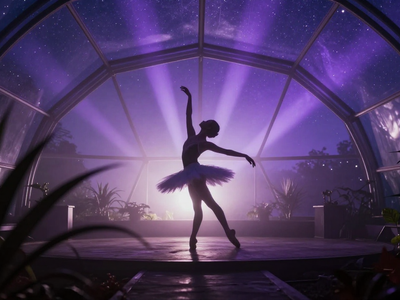
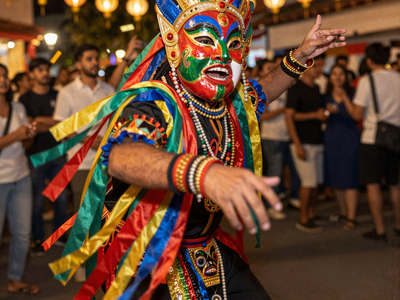
Animate between two images with MiniMax H3 (Hailuo 3.0). Upload a first frame and an optional last frame, describe the motion, and hit run for a short 2K clip.
Audio
first last frame
hailuo 3.0
image to video
minimax h3
Video
598
Nodes & Models
MiniMaxH3FirstLastFrameToVideo_floyo
VideoToFrames
LoadImage
CreateVideo
SaveVideo
ABOUT THE WORKFLOW
Animate between two frames
Upload a first frame and, if you want, a last frame, then describe the motion. The model animates the transition and fills in everything between the two images. Leave the last frame empty for a free-form animation from your first image alone.
Partner node. This workflow calls an external API, so each run uses credits from your API wallet. No API key needed. Floyo handles the connection.
Model
MiniMax H3 (Hailuo 3.0) by MiniMax. A multimodal video model that generates up to 15 seconds of native 2K video in a single pass.
HOW IT WORKS
Step 1. Upload your first frame
The image the video starts from. It sets the subject, scene, and composition.
Works great with: portraits · characters · products · scenes
Step 2. Add a last frame (optional)
The image the video should end on. The model animates the transition between the two. Leave it empty for a free-form animation.
Step 3. Describe the motion
Say what moves and how, plus the camera and the mood, like "camera slowly pushes in, warm afternoon light, gentle breeze."
Step 4. Hit run and download
The model animates your frames into a short clip at up to 2K. The file saved here is picture only.
Ready for: editing timelines · social · ads
First time? Leave every setting as-is. The default (5 seconds) is the right starting point for almost everyone.
RECOMMENDED SETTINGS
Quick-start guide. Find the goal that matches yours and copy the settings.
Standard use (most people) — 5 seconds, first frame only. The right starting point for almost everyone.
Want a longer clip — set the duration to 10 or 15 seconds for more motion in one generation.
Control where the clip ends — add a last frame so the motion lands on a specific image.
Want free-form motion — leave the last frame empty and let the model animate from the first image alone.
The transition looks abrupt — pick a first and last frame that share a subject and framing, so the model has a clear path between them.
Not getting the motion you want — name the camera move and the action in the prompt, like "slow pan left as the leaves drift down."
Prompt: Describe the motion and the mood, not the subject, since the first frame already sets that. "Camera slowly pushes in, warm afternoon light, a gentle breeze moving her hair" beats "make it move." If you added a last frame, say how the motion travels from the first image to the last.
LEARN
📹 Videos
ComfyUI 101 Free Course ft. Sebastian Kamph
Floyo 101 for Team Collaboration
✨ Quick links
USE CASES
🎞️ Bring a Photo to Life
Animate a single still into a short moving clip from one image.
🔀 Frame-to-Frame Transition
Set a start and end image and let the model animate the move between them.
🎬 Establishing & B-roll
Turn a key still into an establishing shot to drop into an edit.
📱 Social & Ads
Animate a hero image into short-form video for feeds and campaigns.
WHAT WORKS BEST / WHAT TO AVOID
✅ Works great
A clear, well-lit first frame
A last frame that shares the subject and framing
Prompts that name the motion and camera
A single subject to animate
⚠️ May produce softer results
A last frame unrelated to the first
Cluttered or low-resolution frames
Vague motion like "make it move"
Extreme or physically impossible transitions
FAQ
What is MiniMax H3 (Hailuo 3.0)?
MiniMax H3, also called Hailuo 3.0, is MiniMax's flagship multimodal video model, launched in July 2026. It generates native 2K video at 24 frames per second, with clips up to 15 seconds. This workflow runs it in first-and-last-frame image-to-video mode.
How does first-and-last-frame video work?
Your first frame sets where the clip begins, and an optional last frame sets where it ends. The model animates a smooth path between the two images based on your prompt. It handles the in-between motion, so you only supply the start, the end, and a description.
Do I have to add a last frame?
No. The last frame is optional. With only a first frame, the model creates a free-form animation from that image. Add a last frame when you want the clip to land on a specific ending shot.
Does the saved video have sound?
MiniMax H3 can generate audio along with the picture, but the file this workflow saves is picture only. If you need the video with a synchronised sound track, use a MiniMax H3 workflow that keeps the audio in the saved file.
What length and resolution do I get?
The model outputs up to native 2K at 24 frames per second, and you can set the duration to 5, 10, or 15 seconds per generation. The shape of the video follows your input frames, so upload them in the aspect ratio you want the clip to be.
Can I use MiniMax H3 videos commercially?
MiniMax H3 is a proprietary model accessed through an API, so commercial use is governed by MiniMax's terms rather than an open license. Commercial use is generally supported for ads and content, but review MiniMax's current terms and make sure you have the rights to the images you upload.
How to run MiniMax H3 online?
You can run MiniMax H3 online through Floyo. No installation, no setup, no API key to wire up. Open the workflow in your browser, upload a first frame, describe the motion, and hit run. Free to try.
WHY FLOYO?
Floyo is the only platform with team collaboration for ComfyUI in the browser. You run workflows with no install. You share run history, assets, and models across your team. You pay only when you generate. Floyo supports open-source and closed-source models.
A creator animates a frame and likes it. A teammate opens that exact run from shared history and keeps going. No file handoffs. No version confusion.
For studios and enterprise teams, Floyo adds private workspaces, pooled resources, and a team usage dashboard. Other ComfyUI cloud tools run for one person at a time. Floyo runs for the whole team, with transparent per-generation costs.
Ready to try it?
Upload a first frame, describe the motion, and run it. You get a short 2K clip.
Questions? Watch the free course or check the FAQ above.
Read more